

Intro
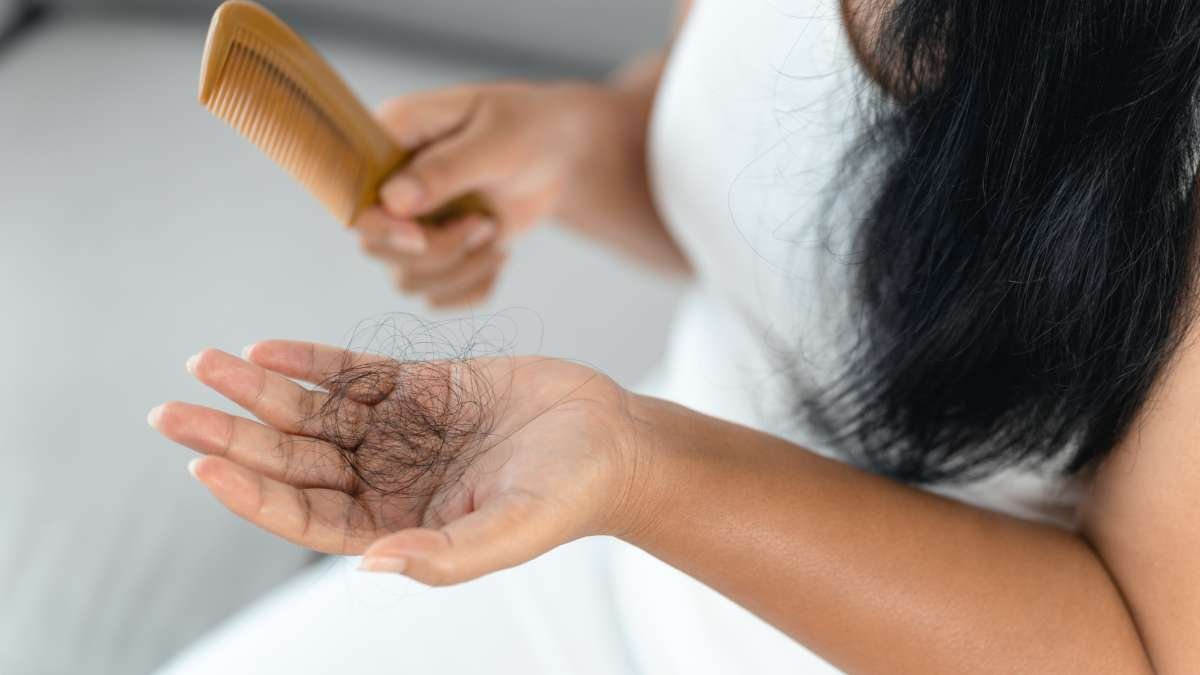
Hair fall is one of the most common hair and scalp concerns affecting both men and women. Losing some hair every day is normal, but excessive shedding, visible thinning, a widening part, or bald patches may indicate an underlying problem.
The good news is that many causes of hair fall can be managed when identified early. Improving nutrition, taking better care of your scalp and hair, managing stress, and choosing appropriate treatments can all help support healthier hair.
In this article, we’ll explore practical ways to reduce excessive hair fall and maintain stronger, healthier-looking hair.
1. Understand Why Your Hair Is Falling
Before trying different hair products, it is important to understand the possible reason behind your hair loss.
Common causes include:
- Hereditary or pattern hair loss
- Stress and lack of sleep
- Rapid weight loss or restrictive diets
- Iron, protein, vitamin, or mineral deficiencies
- Hormonal changes
- Thyroid disorders
- Certain medications
- Scalp infections or inflammatory conditions
- Excessive heat styling
- Frequent chemical treatments
- Tight hairstyles that continuously pull on the hair
Temporary increased shedding can also occur after illness, major stress, surgery, or significant changes in the body.
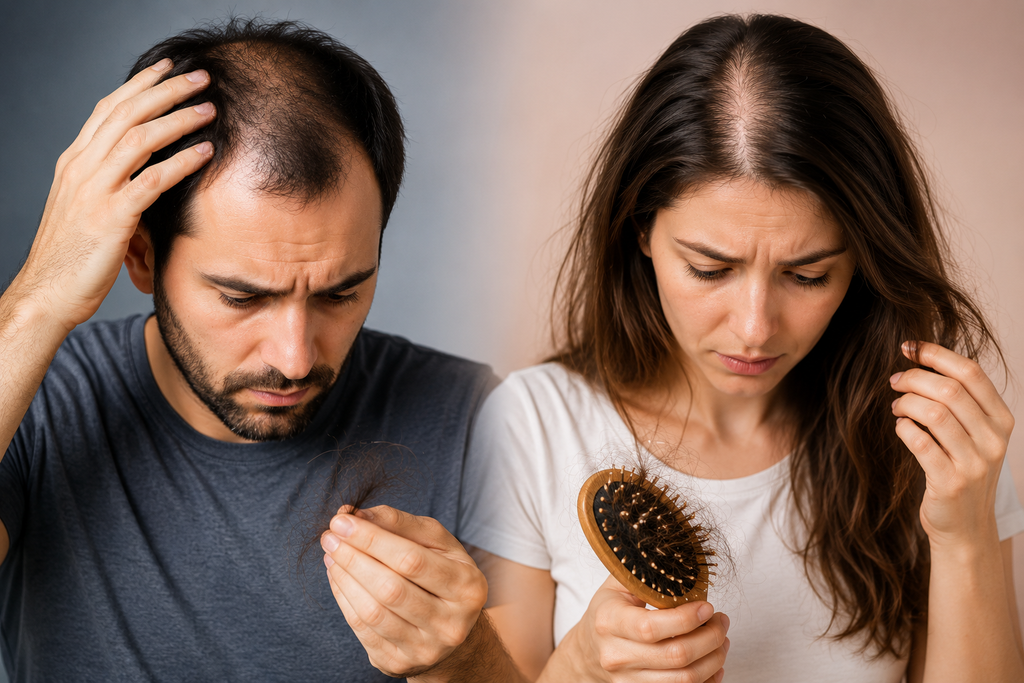
If hair loss is sudden, severe, or accompanied by scalp irritation or bald patches, identifying the cause should be a priority.
2. Eat a Protein-Rich, Balanced Diet
Hair is primarily made from a protein called keratin, so adequate protein intake is important for normal hair growth.
Include nutritious protein sources such as:
- Eggs
- Fish
- Chicken
- Milk and yogurt
- Paneer
- Lentils
- Beans
- Soy and tofu
- Nuts and seeds
A balanced diet should also contain vegetables, fruits, whole grains, and healthy fats.
Iron, zinc, vitamin D, vitamin B12, and other nutrients can also play a role in healthy hair. However, taking supplements without knowing whether you actually have a deficiency isn’t always helpful and can sometimes be harmful.
If you suspect a nutritional deficiency, speak with a healthcare professional about whether testing is appropriate.
3. Avoid Crash Diets
Trying to lose weight extremely quickly can sometimes trigger increased hair shedding.
Very restrictive diets may not provide enough protein, calories, iron, or other nutrients required for normal hair growth.
Instead of crash dieting, aim for gradual and sustainable weight management with adequate nutrition.
If you are experiencing hair shedding after significant weight loss, discuss it with a healthcare professional or registered dietitian.
4. Take Care of Your Scalp
A healthy scalp provides a better environment for hair.
Wash your hair regularly according to your scalp type and activity level. People with oily scalps may need more frequent washing, while very dry or curly hair may require a different routine.
Choose a gentle shampoo and avoid aggressively scratching the scalp.
If you experience persistent dandruff, itching, redness, scaling, or sores, don’t simply keep changing shampoos. A dermatologist can determine whether you have a scalp condition that requires specific treatment.

5. Be Gentle With Wet Hair
Hair is more vulnerable when it is wet.
After washing:
- Avoid vigorous towel rubbing.
- Gently squeeze excess water from the hair.
- Use a wide-tooth comb when appropriate.
- Start detangling from the ends and gradually work upward.
- Avoid unnecessarily pulling or tugging.
These habits can reduce mechanical breakage, which can sometimes be mistaken for hair loss.
6. Reduce Heat and Chemical Damage
Frequent use of hair straighteners, curling irons, very hot blow dryers, bleaching, relaxing, and repeated chemical treatments can weaken the hair shaft.
This type of damage usually causes breakage rather than hair loss from the follicle, but it can make hair appear thinner and less healthy.
Try to:
- Use lower heat settings.
- Avoid holding heat directly against one area for too long.
- Reduce frequent chemical treatments.
- Use appropriate heat protection products.
- Give your hair time between intensive treatments.
7. Avoid Constantly Tight Hairstyles
Repeated tension on the hair can contribute to traction-related hair loss.
Tight ponytails, buns, braids, extensions, and similar styles can put continuous stress on the roots.
If a hairstyle causes pain, headaches, scalp tenderness, or noticeable pulling, it is probably too tight.
Choose looser hairstyles and regularly change how you wear your hair.
8. Manage Stress and Prioritize Sleep
High physical or emotional stress can sometimes trigger temporary increased hair shedding.
You may not be able to eliminate stress completely, but healthy habits can help your overall wellbeing.
Consider:
- Regular physical activity
- Adequate sleep
- Relaxation exercises
- Meditation or breathing exercises
- Spending time outdoors
- Maintaining social connections
- Taking regular breaks from work and screens
If stress is persistent or overwhelming, consider speaking with a qualified mental-health professional.

9. Be Careful With Hair Supplements
Hair-growth supplements are widely marketed, but more supplements do not necessarily mean more hair.
Supplements are most useful when a genuine nutritional deficiency exists or when a healthcare professional recommends them.
Avoid taking high doses of vitamins or minerals simply because they are advertised for hair growth. Excessive amounts of certain nutrients can cause unwanted effects and, in some cases, contribute to hair problems.
A food-first approach is generally preferable when possible.
10. Consider Evidence-Based Treatments
For certain types of hair loss, medical treatments may be available.
For example, minoxidil is a commonly used treatment for certain forms of pattern hair loss in both men and women. However, suitability depends on the individual, and results vary.
Other treatments may be appropriate depending on the diagnosis. A dermatologist can examine your scalp, review your medical history, and determine whether further testing or treatment is needed.
Do not assume that a product marketed as a “hair-growth cure” will work for every type of hair loss.
11. Know When to See a Dermatologist
You should consider professional evaluation if you notice:
- Sudden or rapidly increasing hair loss
- Circular or clearly defined bald patches
- Significant thinning
- A rapidly widening hair part
- Receding hairline
- Persistent scalp itching or inflammation
- Hair loss accompanied by other unexplained symptoms
- Hair loss that continues for several months
- Hair loss after starting a new medication
Early evaluation can be particularly valuable because different causes of hair loss require different approaches.
12. Be Patient With Your Hair
Hair growth is a slow process. Even when the underlying cause of shedding is successfully addressed, visible improvement may take time.
Avoid changing products every few days or expecting dramatic results from a single shampoo or oil.
Instead, focus on identifying the cause, maintaining good nutrition, protecting the hair from damage, caring for the scalp, and following an appropriate treatment plan when necessary.

Final Thoughts
Stopping hair fall isn’t always about finding one “miracle” product. The most effective approach is to understand why the hair is falling in the first place.
For both men and women, a balanced diet, adequate protein, gentle hair care, good scalp hygiene, stress management, and avoiding excessive chemical or physical damage can support healthier hair.
However, persistent or significant hair loss should not be ignored. Some forms of hair loss are treatable, particularly when addressed early.
If you’re experiencing noticeable thinning or excessive shedding, consider speaking with a dermatologist rather than relying solely on home remedies or heavily advertised hair-growth products.
Healthy hair starts with healthy habits — but when hair loss persists, finding the underlying cause is the most important step.