

Intro
India is a land of spirituality, ancient traditions, magnificent architecture, and countless pilgrimage destinations. Across the country, thousands of temples attract devotees, travelers, historians, and architecture enthusiasts every year. Some are famous for their religious significance, while others are admired for their extraordinary architecture, history, festivals, and unique traditions.
From the Himalayan mountains to the southern coastline, India’s temples represent centuries of culture and devotion. Whether you are planning a spiritual journey or simply want to explore India’s heritage, these famous temples deserve a place on your travel list.
Here are 10 of the most famous temples in India.
1. Tirumala Venkateswara Temple, Tirupati
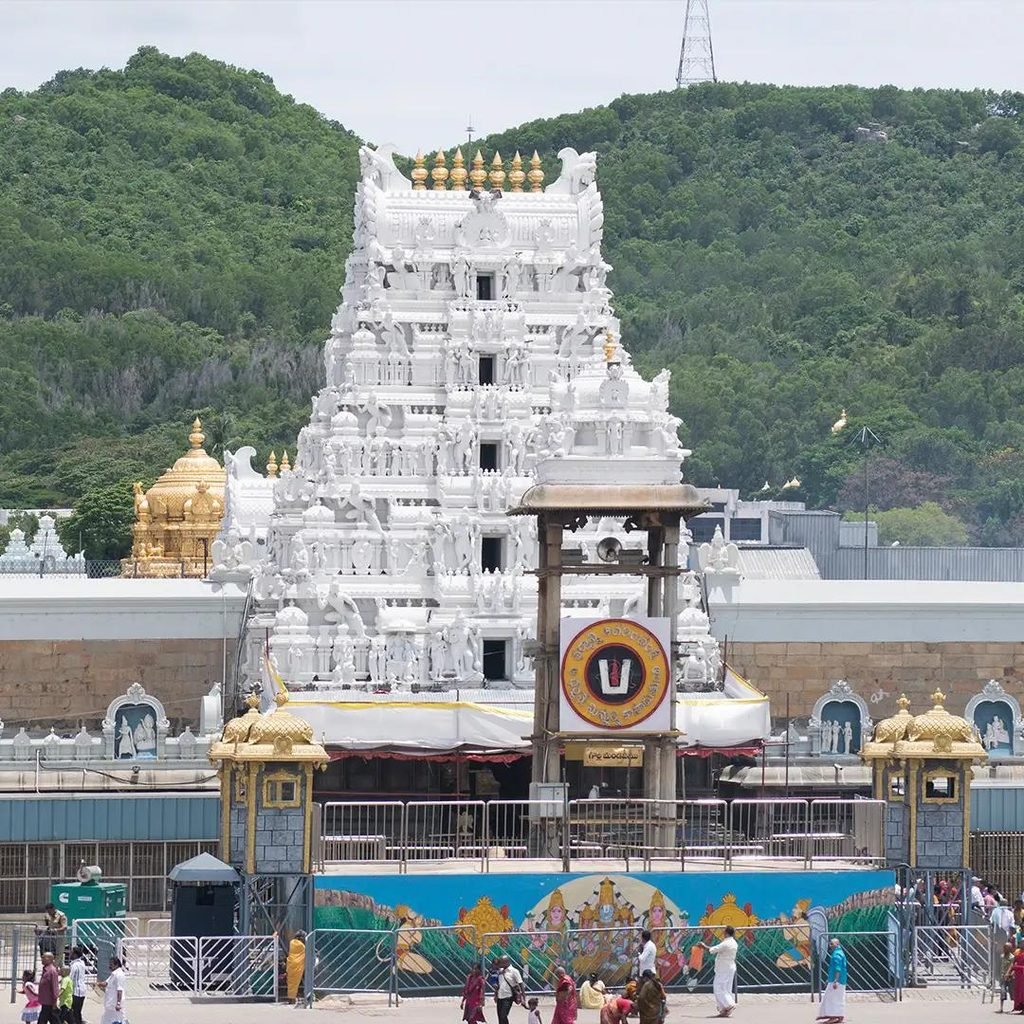
Located in Tirumala, Andhra Pradesh, the Sri Venkateswara Swamy Temple, commonly known as Tirupati Balaji Temple, is one of India’s most renowned pilgrimage destinations.
The temple is dedicated to Lord Venkateswara, a form of Lord Vishnu. It stands on the Tirumala hills, traditionally described as seven sacred hills. The temple’s magnificent Dravidian architecture, elaborate rituals, and enormous number of devotees make it one of India’s most recognizable religious landmarks.
Tirupati is also famous for its traditional Tirupati Laddu, which is offered as prasadam to devotees. The official Incredible India tourism portal describes Tirupati as one of India’s holiest pilgrimage destinations.
2. Kashi Vishwanath Temple, Varanasi
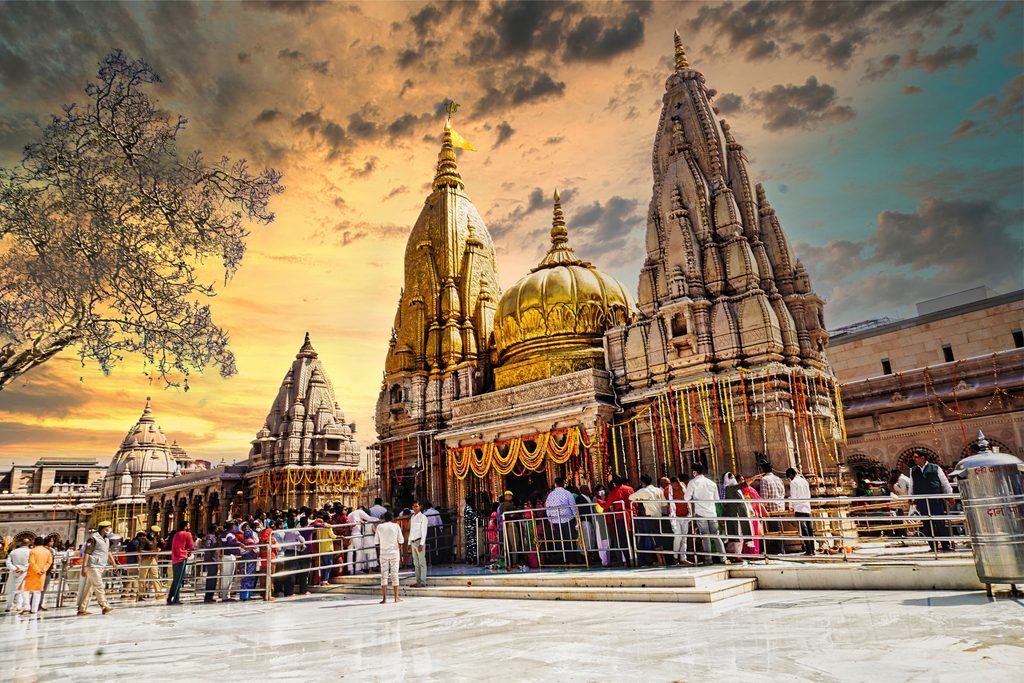
The Kashi Vishwanath Temple is situated in Varanasi, Uttar Pradesh, on the banks of the sacred Ganges.
Dedicated to Lord Shiva, the temple houses one of the twelve revered Jyotirlingas. It holds a particularly important place in Shaiva tradition and attracts pilgrims from across India and around the world.
Varanasi itself is one of India’s most historically significant spiritual cities. The combination of the temple, ancient lanes, ghats, and Ganges creates a distinctive pilgrimage experience.
The official Kashi portal identifies Kashi Vishwanath as one of Varanasi’s most popular temples and describes its Jyotirlinga as having special spiritual significance.
3. Kedarnath Temple, Uttarakhand
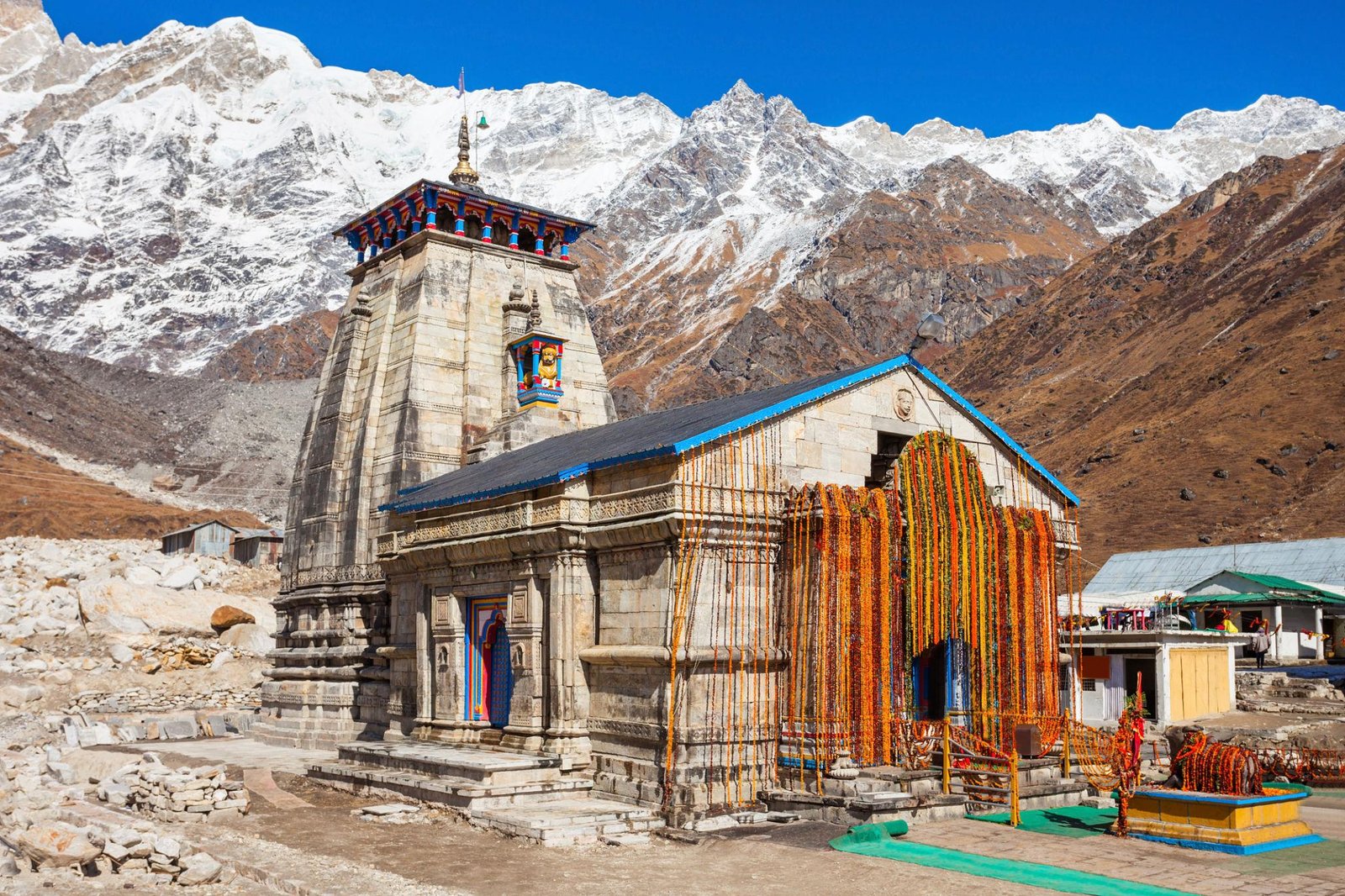
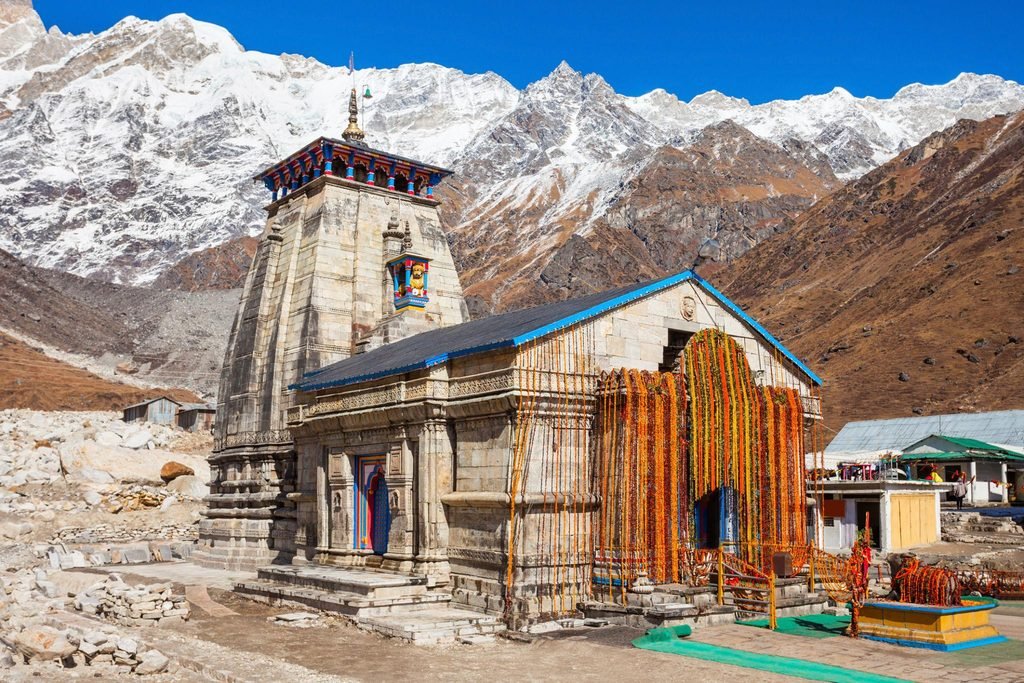
Surrounded by the spectacular Himalayas, Kedarnath Temple is one of India’s most famous pilgrimage destinations.
Located in Uttarakhand at a high altitude, the temple is dedicated to Lord Shiva and is one of the twelve Jyotirlingas. It is also one of the four sites of the Char Dham pilgrimage in Uttarakhand.
The stone temple and dramatic mountain landscape create an unforgettable setting. According to Uttarakhand Tourism, the present temple structure is believed to be more than 1,200 years old, while tradition connects its origins with the Pandavas and the later establishment associated with Adi Shankaracharya.
4. Meenakshi Amman Temple, Madurai
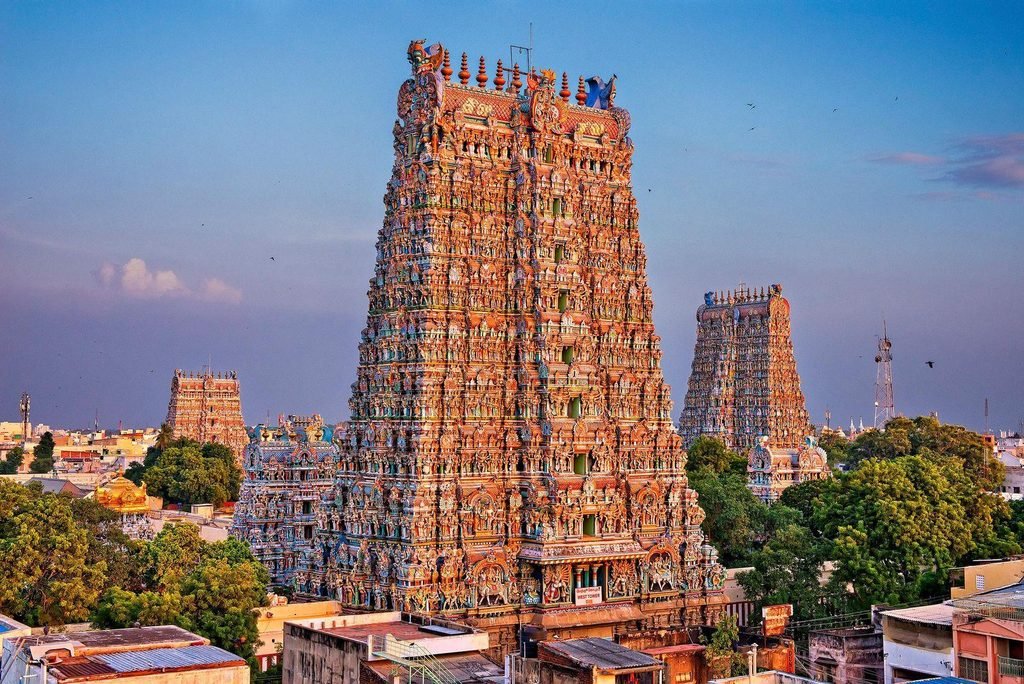
The Meenakshi Amman Temple in Madurai, Tamil Nadu, is one of India’s most spectacular examples of Dravidian temple architecture.
The temple is dedicated primarily to Goddess Meenakshi and Lord Sundareswarar. Its enormous gopurams are covered with thousands of colorful sculptures depicting deities, mythological figures, and other artistic motifs.
The temple complex is not merely a place of worship; it is also an extraordinary representation of South Indian art, architecture, sculpture, and religious traditions.
For travelers interested in architecture and photography, Meenakshi Temple is one of the most impressive temple complexes in India.
5. Jagannath Temple, Puri
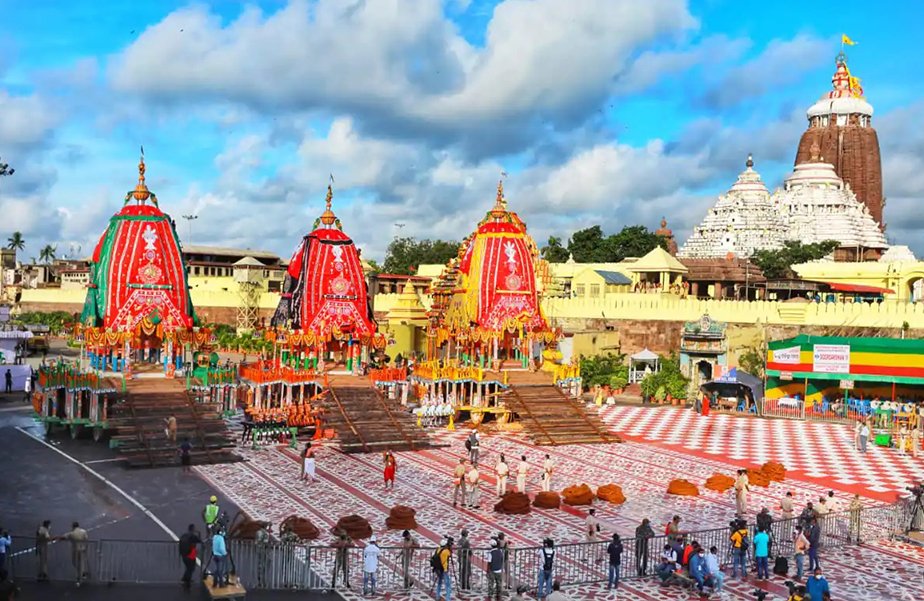
Located in Puri, Odisha, the Jagannath Temple is one of India’s most important pilgrimage sites.
The temple is dedicated to Lord Jagannath, along with his siblings Balabhadra and Subhadra. It is particularly famous for the annual Rath Yatra, during which enormous chariots carrying the deities are taken through the streets of Puri.
The temple’s distinctive Kalinga-style architecture and centuries-old religious traditions make it an important destination for pilgrims and cultural travelers.
Puri is also one of the four major Char Dham pilgrimage destinations traditionally associated with Hinduism.
6. Somnath Temple, Gujarat
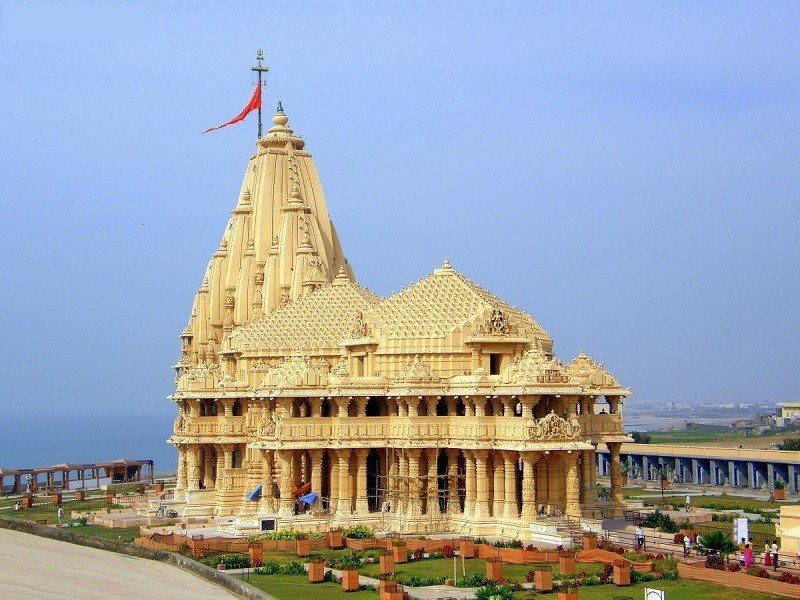
The Somnath Temple is located on the Arabian Sea coast in Gujarat and is one of the twelve Jyotirlinga shrines dedicated to Lord Shiva.
The temple is particularly famous for its coastal setting, imposing architecture, and long historical association with the region.
The present temple is an important symbol of religious and cultural heritage. Visitors can combine a pilgrimage to Somnath with exploration of Gujarat’s coastal landscapes and nearby historical attractions.
The temple’s location overlooking the Arabian Sea makes it especially striking during sunrise and sunset.
7. Brihadeeswarar Temple, Thanjavur
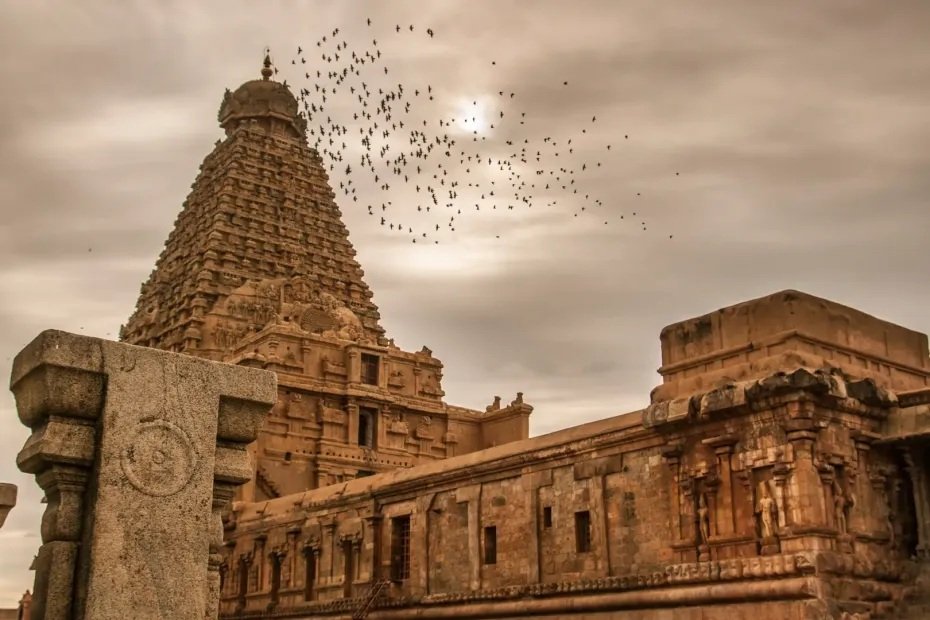
Tamil Nadu is home to some of India’s finest examples of ancient temple architecture, and the Brihadeeswarar Temple in Thanjavur is among the most extraordinary.
Built during the Chola period, the temple is dedicated to Lord Shiva and is renowned for its monumental architecture and stone craftsmanship.
Its massive vimana dominates the temple complex and demonstrates the engineering and artistic achievements of the Chola era.
For history and architecture enthusiasts, Brihadeeswarar Temple offers an opportunity to experience one of India’s great medieval architectural achievements.
8. Badrinath Temple, Uttarakhand
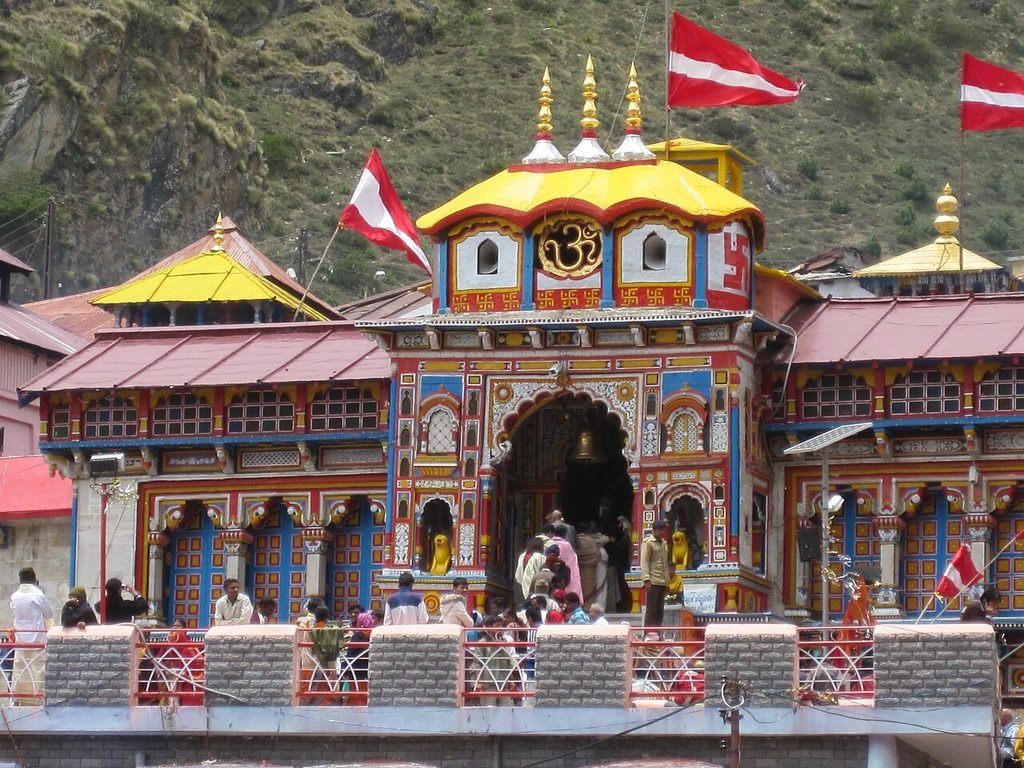
Situated in the Himalayan town of Badrinath, the Badrinath Temple is dedicated to Lord Vishnu and is one of India’s most important pilgrimage destinations.
It is one of the four Char Dham sites and is located along the Alaknanda River.
The combination of the colorful temple facade, surrounding mountains, and spiritual atmosphere makes Badrinath an unforgettable destination.
The temple is especially significant for Vaishnavite devotees and attracts large numbers of pilgrims during its annual pilgrimage season.
9. Vaishno Devi Temple, Jammu and Kashmir
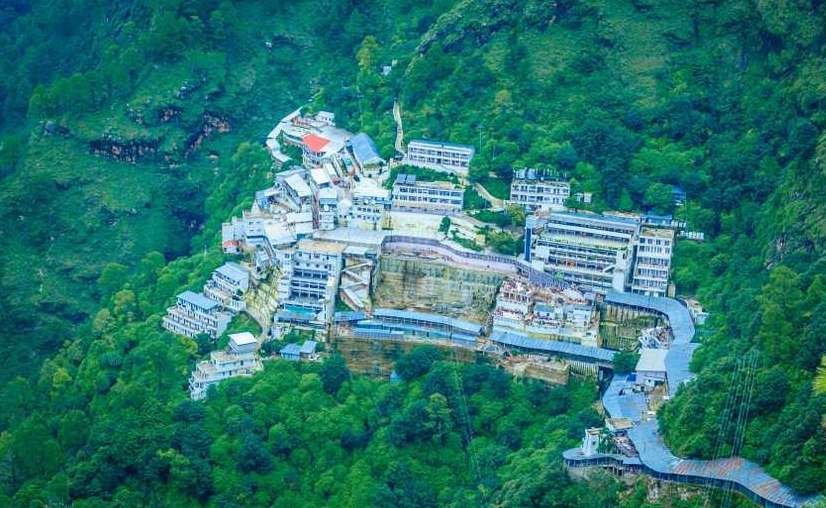
The Vaishno Devi shrine is located in the Trikuta Mountains and is one of India’s most popular pilgrimage destinations.
Devotees traditionally undertake a mountain journey to reach the holy cave shrine, making the pilgrimage itself an important part of the spiritual experience.
The shrine is dedicated to Mata Vaishno Devi and attracts pilgrims throughout the year.
The combination of devotion, mountain scenery, and the traditional pilgrimage route makes Vaishno Devi different from many other famous temples in India.
10. Ram Mandir, Ayodhya
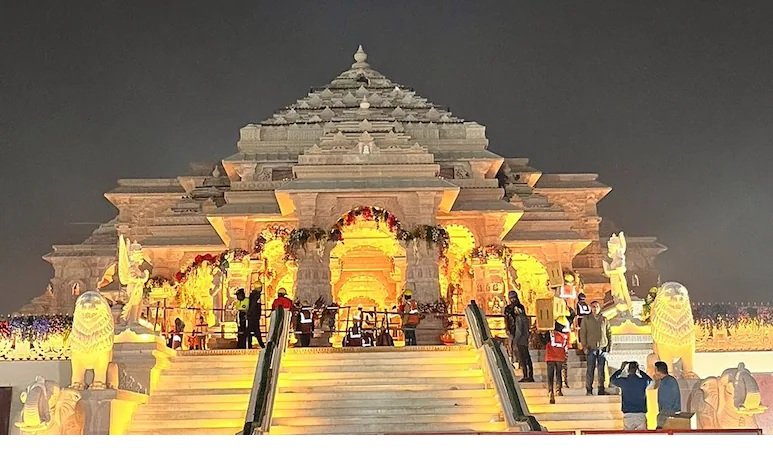
The Ram Mandir in Ayodhya, Uttar Pradesh, is one of the most significant contemporary religious landmarks in India.
Dedicated to Lord Ram, the temple is located in Ayodhya, a city deeply associated with the Ramayana tradition.
The temple complex has attracted enormous national and international attention and has become an important pilgrimage destination.
Its architecture, religious significance, and connection with Ayodhya’s long cultural history make it a notable addition to India’s modern pilgrimage landscape.
Why India’s Temples Are So Special
India’s temples are much more than religious buildings. They preserve centuries of art, architecture, mythology, music, sculpture, festivals, traditions, and community life.
A visit to a temple can therefore be a spiritual experience as well as a journey through history. From the towering gopurams of South India to the stone temples of the Himalayas, each region has developed its own distinctive architectural and cultural traditions.
The Ministry of Culture’s heritage and cultural resources feature many of these major temples, including Kedarnath, Ramanathaswamy, Vaishno Devi, Golden Temple, Kashi Vishwanath, Somnath, and Badrinath.
Final Thoughts
India’s famous temples showcase the country’s extraordinary spiritual and architectural diversity. Tirupati, Kashi Vishwanath, Kedarnath, Meenakshi Amman, Jagannath, Somnath, Brihadeeswarar, Badrinath, Vaishno Devi, and Ram Mandir each offer a different experience.
Whether your interest is spirituality, history, architecture, photography, or cultural exploration, these temples provide an opportunity to discover another side of India.
Before visiting, travelers should check the temple’s official website or local authorities for current darshan timings, entry rules, dress requirements, photography restrictions, weather conditions, and booking procedures, as these can change.