

Intro
Weight loss is one of the most searched health and fitness topics around the world. Whether the goal is to improve overall health, feel more energetic, become fitter, or manage a healthy body weight, many people struggle to find an approach that actually works long term.
The good news is that successful weight loss does not necessarily require extreme diets, expensive supplements, or exhausting workouts. Sustainable results generally come from making realistic changes to eating habits, physical activity, sleep, and daily routines.
This guide explains some practical principles that can help you approach weight loss in a healthier and more sustainable way.
What Is Weight Loss?
Weight loss occurs when the body uses more energy than it receives from food and drinks over time. This creates an energy deficit, causing the body to use stored energy.
However, healthy weight management is about more than simply watching the number on a weighing scale. Body composition, muscle mass, fitness, nutrition, sleep, and overall health are also important.
A person’s ideal weight can vary depending on factors such as height, age, sex, muscle mass, genetics, and health conditions. Therefore, comparing your weight with someone else’s is usually not useful.
1. Set Realistic Weight-Loss Goals
One of the biggest mistakes people make is expecting dramatic results in a very short period.
Healthy weight management is usually a gradual process. Setting smaller, achievable goals can make it easier to stay consistent.
Instead of focusing only on a final target, consider goals such as:
- Eating more vegetables each day
- Walking regularly
- Drinking more water instead of sugary drinks
- Improving sleep
- Reducing highly processed foods
- Increasing protein and fiber intake
These behavior-based goals can be more useful than constantly checking the scale.

2. Focus on Your Overall Diet
A successful weight-loss diet does not have to eliminate an entire food group.
A balanced eating pattern can include:
- Vegetables and fruits
- Whole grains
- Protein-rich foods
- Beans and lentils
- Eggs, fish, poultry, or other protein sources
- Dairy or suitable alternatives
- Nuts and seeds
- Healthy fats
The key is often portion control and overall dietary quality.
Foods that are highly processed and high in added sugars or calories can be included occasionally, but eating them frequently or in large portions can make maintaining an energy deficit more difficult.
3. Eat More Protein and Fiber
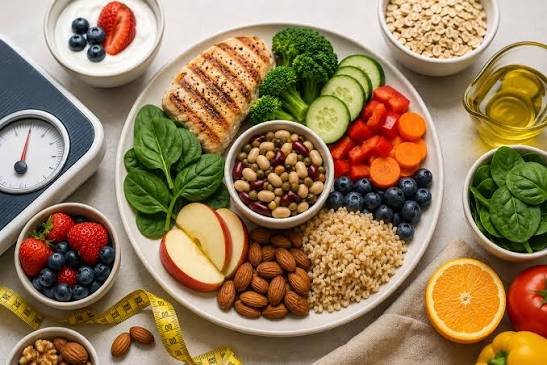
Protein can help support muscle maintenance and can contribute to feelings of fullness.
Good protein sources include eggs, fish, chicken, yogurt, paneer, tofu, beans, lentils, and other legumes.
Fiber is also important because it can help you feel full while supporting digestive health.
High-fiber foods include vegetables, fruits, whole grains, legumes, nuts, and seeds.
Combining protein and fiber at meals can make it easier to control hunger.
4. Watch Liquid Calories
People often focus on food while overlooking drinks.
Sugary soft drinks, sweetened coffee, energy drinks, packaged juices, and other high-calorie beverages can add significant calories without providing the same feeling of fullness as solid food.
Water is generally the simplest choice for hydration.
Unsweetened tea or coffee can also be suitable for many people.
If you regularly consume high-calorie beverages, reducing them can be an easy way to lower overall calorie intake.

5. Exercise Regularly
Physical activity can support weight management and improve cardiovascular fitness, strength, mood, and overall health.
You don’t necessarily need to spend hours in a gym.
Activities such as:
- Walking
- Cycling
- Swimming
- Jogging
- Dancing
- Hiking
- Sports
- Strength training
can all contribute to a more active lifestyle.
For many people, a combination of aerobic activity and strength training is particularly useful.
Strength training can help maintain or build muscle while losing weight.

6. Increase Everyday Movement
Exercise sessions are only one part of physical activity.
Everyday movement can also contribute significantly to energy expenditure.
Try simple habits such as:
- Taking the stairs
- Walking during phone calls
- Taking short movement breaks during work
- Walking after meals
- Parking farther away when appropriate
- Spending less time sitting continuously
These small changes can add up over time.
7. Get Enough Sleep
Sleep is often overlooked when people try to lose weight.
Poor or insufficient sleep can affect appetite, energy, mood, and food choices. Being tired may also make it harder to remain physically active.
Try to maintain a consistent sleep schedule and create a relaxing bedtime routine.
Reducing excessive screen use before bedtime, keeping the bedroom comfortable, and avoiding large amounts of caffeine late in the day may also help improve sleep quality.

8. Manage Stress
Stress can influence eating behavior. Some people respond to stress by eating more, particularly foods high in sugar or fat.
Finding healthier ways to manage stress can support long-term weight management.
Consider:
- Walking
- Exercise
- Meditation
- Deep breathing
- Reading
- Spending time with friends and family
- Hobbies
- Time outdoors
If stress feels persistent or overwhelming, consider talking with a qualified healthcare or mental-health professional.

9. Don’t Rely on Weight-Loss Supplements
The weight-loss industry is full of products promising rapid results.
Pills, teas, powders, detox programs, and “fat burners” are often marketed as shortcuts. However, many products have limited evidence supporting their effectiveness, and some may have safety concerns.
Be particularly cautious about products claiming that you can lose large amounts of weight without changing your diet or activity.
A sustainable weight-management strategy should not depend on a miracle product.
10. Track Your Progress Wisely
Tracking progress can help you understand whether your habits are working.
You can monitor:
- Body weight
- Waist measurements
- Physical activity
- Food intake
- Sleep
- Energy levels
- Fitness improvements
However, weight naturally fluctuates because of factors such as water retention, food intake, sodium consumption, and hormonal changes.
Therefore, don’t become discouraged by a single day’s measurement. Looking at longer-term trends is generally more meaningful.
11. Avoid Extreme Diets
Very restrictive diets may produce rapid changes on the scale, but they can be difficult to maintain.
Severe calorie restriction may also make it harder to obtain adequate nutrients and maintain muscle mass.
Instead of asking, “What is the fastest way to lose weight?” consider asking:
“What healthy habits can I maintain for the next year?”
That change in mindset can make weight management much more sustainable.
12. When Should You Seek Professional Help?
Some people may struggle to lose weight despite making consistent lifestyle changes. Medical conditions, medications, hormonal factors, sleep disorders, and other issues can influence body weight.
Consider speaking with a doctor or registered dietitian if:
- You have significant unexplained weight changes.
- You have an existing medical condition.
- You are taking medications that may affect weight.
- You have concerns about your eating behavior.
- You are considering a very restrictive diet.
- You have difficulty losing weight despite consistent efforts.
A healthcare professional can help identify appropriate strategies based on your individual circumstances.
Final Thoughts
Successful weight loss is rarely about a single food, exercise, supplement, or diet plan. It is usually the result of consistent habits maintained over time.
Focus on eating nutritious foods, controlling portions, getting enough protein and fiber, staying physically active, sleeping adequately, and managing stress.
Most importantly, avoid unrealistic promises and extreme approaches. A slower, sustainable approach can be much more valuable than rapid weight loss that cannot be maintained.
Your goal should not simply be to lose weight—it should be to build healthier habits that you can continue for years.
Remember: weight loss advice should be personalized when you have medical conditions, take medications, are pregnant or breastfeeding, or have a history of eating disorders. When in doubt, consult a qualified healthcare professional.